
"Ethiopia coffee culture"
3000 article(s) found

Ethiopian coffee beans are imported. How can I buy mcofa coffee?
For more information on coffee beans, please pay attention to Coffee Workshop (Wechat official account cafe_style) Ethiopia is still a very important coffee exporter in the world, mainly producing Sidamo in Sidamo, Yirgacheffe in Yegashev, Kochere in Cochel, Harar in Hara and Djimma in Jima. Located in the south of Ethiopia, Sidamo, Yegashev,

A brief introduction to the History and Culture of the Origin and Development of Fine Coffee beans in Ethiopia (Ethiopia) Coffee Manor
The world-famous Ethiopian coffee is mainly: 1. Limu coffee grows between 1400 meters and 2000 meters above sea level. Wash the coffee. Excellent quality, with strong nut aromas, suitable acidity, with the intensity of wine. The annual output is 29000 tons. 2. Jima Coffee grows between 1400 and 1800 meters above sea level. Sun-baked coffee. Slightly sour, with nutty aromas and a long finish.

Introduction to the Origin of Coffee in Ethiopia
Ethiopia is recognized as the birthplace of coffee and the birthplace of all kinds of coffee we taste today. it plays an important role in the history of coffee development. With respect and admiration for the birthplace of coffee and the long-standing inheritance of coffee culture, Starbucks solemnly launched Ethiopian coffee with a unique taste in stores across the country from January 6 to 12.

A brief introduction to the history and culture of the origin and development of Sidamo Shakiso boutique coffee beans
The highlands of western Ethiopia have given birth to new varieties of coffee that are resistant to fruit disease or leaf rust. Ethiopia has many world-famous types of coffee. Some of the main types of coffee are famous for their unique aroma and flavor, including the following: Limu coffee, which grows between 1400 and 2000 meters above sea level.

A brief introduction to the Origin, Development, History and Culture of Banci Magi Fine Coffee beans with unique style
Bench Maji, located in southwestern Ethiopia and not far from neighboring Sudan, is easy to find using Google map. Although the flavor of Banchimaji Gesha Estate is different from that of Panamanian Geisha, it is still worth tasting. It is rare in many regions of Ethiopia, because of its varied flavor of spices and fruits.
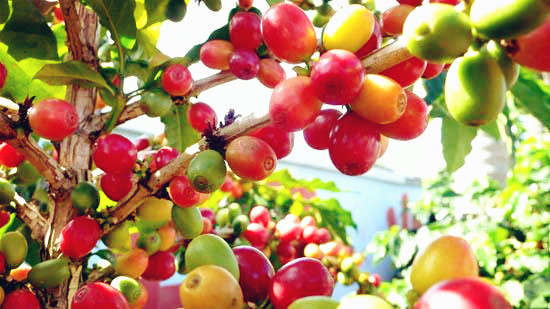
Ethiopian coffee is the origin of Ethiopian coffee and the culture of coffee ritual.
Ethiopia is one of the major producers of Arabica coffee in Africa, producing the best Arabian coffee in the world. It is said that coffee was first discovered by shepherds in Essekafa, and the name of coffee evolved from Kafa, so Essex is still the hometown of coffee. The geographical environment of coffee production and processing is very suitable for coffee growth. Coffee is mainly cultivated.

Citrus aroma of sidamo charkiso fine coffee beans origin development history and culture introduction
Flavor: Medium sweet and sour with a vibrant sun-dried berry aroma, citrus aromas, slightly fermented fruit aromas, fruity aromas. Palate: Comfortable and interesting fruit acids with good sweetness and low thickness. Roast: Medium-roasted Sidamo coffee has a wide variety of flavors. Different soil types, microclimates and countless native coffee species, high mountains, highlands, plateaus, valleys and peace

Ethiopian coffee beans have a unique flavor.
Professional coffee knowledge exchange More coffee bean information Please pay attention to coffee workshop (Weixin Official Accounts cafe_style) Front Street-Ethiopian coffee introduction In the 6th century, Ethiopian people began to chew coffee and spices together. The most common thing is that people who go hunting wrap coffee with bacon as the best dry food, so that they can eat and hunt. Suoyuezui

Common sense of Coffee Culture listening to Coffee hometown people preach Coffee Culture
Sitting in a corner of the U-shaped classroom at the International officials School of the Ministry of Commerce, he listened attentively to the training teacher and actively asked his own questions. During the 15-minute break, he kept filling in the questionnaire sent by the teacher, and from time to time found the teacher's assistant to ask questions of one kind or another. I didn't notice sitting in the seat next to him.

A brief introduction to the Origin, Development, History and Culture of Fine Coffee beans in the fresh and bright Cochell Manor
In the fifties and sixties of this century, many African countries became independent one after another and adopted green, yellow and red as the colors of the national flag, so they were called pan-African colors. Ethiopia is one of the ancient countries in Africa, with a long history of more than 3000 years, giving green, yellow and red colors deeper roots in this land. Historically, they are closely related to the liturgy of the Coptic church.

Blueberry Tea Fragrance of Sitama Charkiso Fine Coffee Bean Origin Development History Culture Introduction
Origin: Sidamo Variety: Native Arabica Treatment: Wash Roast: Medium Roast Origin: Sidamo Variety: Native Arabica Treatment: Wash Ethiopia's western highlands have bred new coffee varieties that are resistant to fruit disease or leaf rust. Ethiopia is known for its many coffee types. Some of these masters
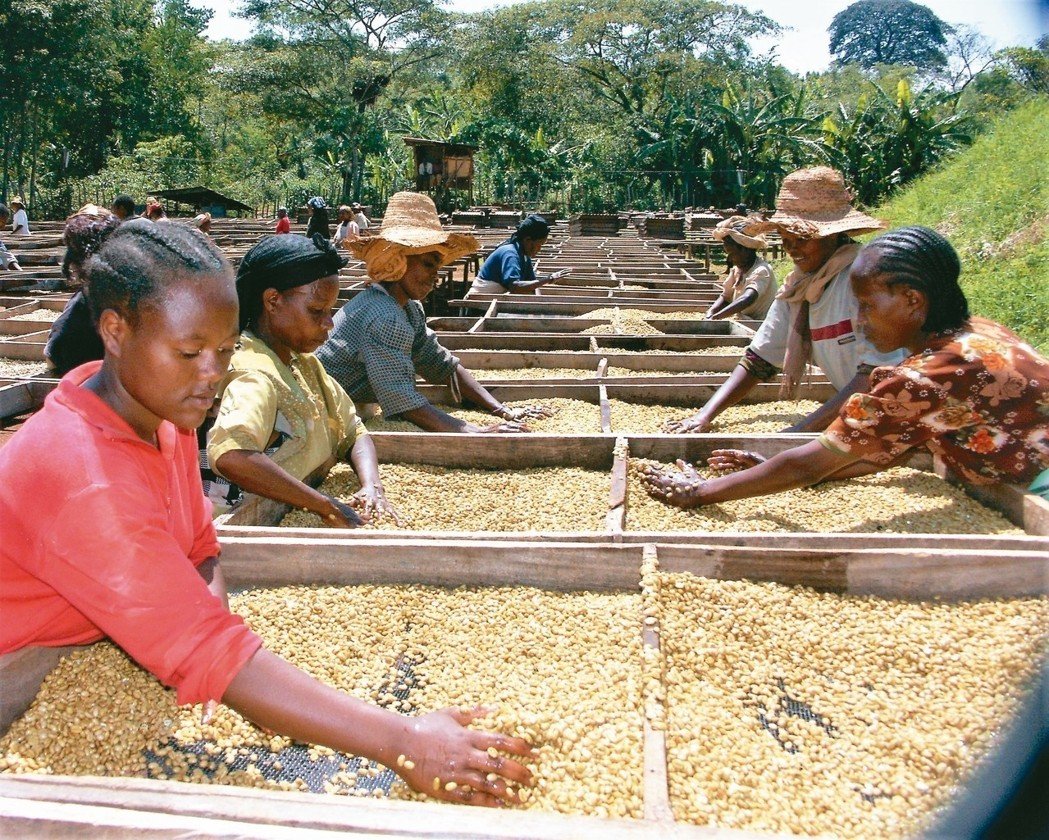
Bean hunter's African curiosity: walk into Ethiopia and open the treasure house of coffee beans
Professional coffee knowledge exchange more information about coffee beans please follow the coffee workshop (Wechat official account cafe_style) hand-turned beans in the sun. Photo / Xu Baolin (courtesy of Xile Culture) anyone who has a general understanding of the history of coffee knows that Ethiopia is not only the birthplace of coffee, but also a shrine in the eyes of bean hunters, a treasure trove of coffee genes, and tens of thousands of coffee born in Ethiopia.

A brief introduction to the history and culture of the origin and development of fine coffee beans in Cochell Manor with acid and citrus flavor.
These mountain villages are foggy, like spring all year round, with a gentle breeze in summer, cool but not hot, rain but not damp, and no cold damage in winter, giving birth to a unique regional flavor of citrus and flowers. Coffee trees are mostly planted in farmers' backyards or mixed with other crops in their fields to talk about Ethiopia, so let's talk about the origin of coffee first. in about the sixth century, there was an Arab shepherd.

A brief introduction to the History and Culture of the Origin and Development of Fine Coffee beans in Cochell Manor
In September 1974, a group of young officers formed the Coordination Committee of the Army, the Police and the Local Army (DERGUE, meaning SHADOW, and later generally referred to as the junta and the Mengistu regime) launched a military coup to overthrow the government of Haile Selassie and announced the end of monarchy and the establishment of an interim junta. In November, the interim military junta was changed to the interim military Administrative Council. In December, interim military administration

A brief introduction to the History and Culture of the Origin and Development of Fine Coffee beans in Ted Manor
Ethiopians have a penchant for coffee, with an annual per capita coffee consumption of 3 kg. Ethiopia ranks first in terms of coffee consumption in Africa and, if compared with European countries, can also rank among the top-middle coffee consuming countries in Europe. Now, Ethiopia produces coffee not only for drinking, but also for coffee lovers around the world to enjoy it better.

African Coffee Manor in Ethiopia Sun Moka Lekempti Lacamti Coffee Raw Bean
CONTENT Ethiopia is the first country in the world to grow coffee and maintain the oldest coffee culture. To this day, it still maintains a very traditional and ancient coffee growing process. Latitude 6 to 9 degrees north. Tropical forests 34 to 40 degrees east longitude and 1600 to 1800 m above sea level. Harald is not only the most expensive coffee in the world, but also a beautiful legend. Not in the means of transportation.

A brief introduction to the history and culture of the origin, development and development of Ethiopian sunburn Yega Chuefei G1 Jetipwauka boutique coffee beans.
The Waka Cooperative, which is part of the YCFCU Cooperative Union (Yirgacheffe Coffee Farmers Cooperative Union), was founded in 2005 and is one of 22 junior cooperatives. The Waka Cooperative is located in the Gedeb area of the Gedeo district, a remote area of Yejasuffe, away from the local coffee distribution town of Dilla.

World boutique coffee farm beans; Harald mocha (part 1) in Ethiopia has a delicate and rich taste
[product name]: Ethiopia Harald Mocha (Ethiopia Harar Mokha) [quality rating]: DP Grade 4 [baking]: recommended moderate baking (Medium Roast or City Roast) [grade]: excellent [granule]: ★ full [acidity]: ★★★★ slightly sour, dark chocolate aftertaste [balance]: ★★★★ is very stable

Introduction of Cayong Mountain Manor in Ethiopia and description of Coffee Flavor
Professional coffee knowledge exchange more coffee bean information please follow the coffee workshop (Wechat official account cafe_style) Ethiopia Cayong Mountain Manor Kayon Mountain Farm is located in Guji (Shakiso), the local people are known as "Guji Oromo", and coffee cultivation has always been an indispensable part of the highland culture of this area.

Essex is the oldest country with coffee culture.
Essex is the first country in the world to grow coffee and maintain the oldest coffee culture. It still maintains a very traditional and ancient coffee growing process. Ethiopia latitudes 6 to 9 degrees north. Tropical forests 34 to 40 degrees east longitude and 1600 to 1800 m above sea level. Harald is not only the most expensive coffee in the world, but also a beautiful legend. Harald, a reflection of ai